Home · Environmental DNA
2019
What the water samples contained
A team from the University of Otago tried to catalogue living species in the loch from environmental DNA. The aim, the BBC reported, was not to “find Nessie,” but to see what the water could show.
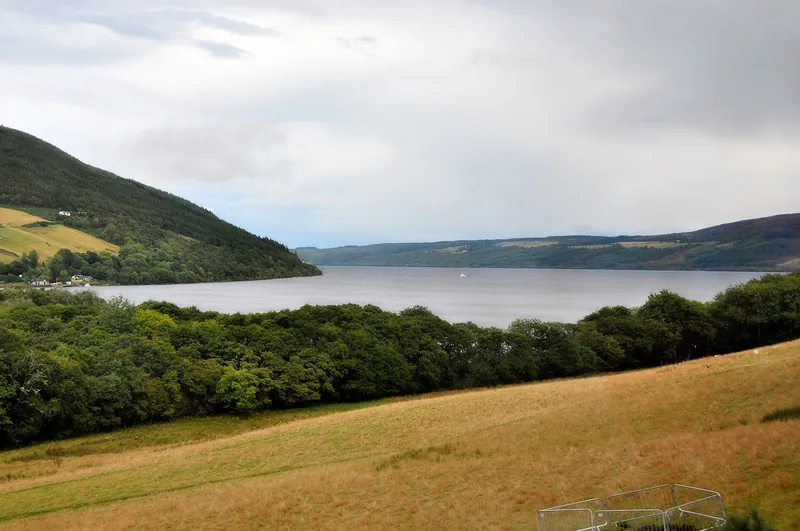
In 2019, BBC News reported work led by Professor Neil Gemmell of the University of Otago, which tried to catalogue living species in the loch from environmental DNA in water samples. No evidence of a prehistoric marine reptile called a plesiosaur, or of a large fish such as a sturgeon, was found. Catfish, and the idea of a wandering Greenland shark, were also discounted.1
Professor Gemmell said the data contained no shark DNA, no catfish DNA and no evidence of sturgeon, and that he did not think the plesiosaur idea held up. There was, he said, “a very significant amount of eel DNA,” found at pretty much every location sampled. The data do not reveal the eels’ size, and he did not discount the possibility that some might be giant, or that what people see might be a giant eel.1
Absence of evidence is not a photograph of an empty loch. It is a later check against some of the better-known candidate animals. Eels are plentiful; their size is not given by this dataset.